대주제1의 제목
The prevalence of boosting services in League of Legends is undeniable. Having personally engaged in boosting for friends on several occasions, Ive consistently gained profound insights into this persistent phenomenon. This piece aims to delve into a candid exploration of League of Legends boosting, dissecting its underlying causes and offering a personal perspective shaped by direct experience. The question arises: why does the demand for these services remain so robust? We will examine the current landscape and the motivations driving players to seek external assistance, before transitioning to the broader societal and psychological factors that fuel this industry.
대주제1의 내용 개요
The proliferation of League of Legends boosting services is undeniable, and my own past experiences, albeit limited to a few instances at a friends request, have offered a unique perspective on this phenomenon. Its more than just a service; its a symptom of deeper issues within the competitive gaming ecosystem.
When my friend, struggling to climb the ranked ladder, approached me for help, I initially agreed out of camaraderie. The request itself highlighted the immense pressure players feel to achieve higher ranks, not just for personal satisfaction but often for social validation within the gaming community. Logging into an account that wasnt my own, using unfamiliar summoner names and playing with different playstyles, immediately presented a disconnect. The core of the issue, as I saw it then and as expert analysis suggests, lies in the inherent desire for progression and the perceived barriers to achieving it organically.
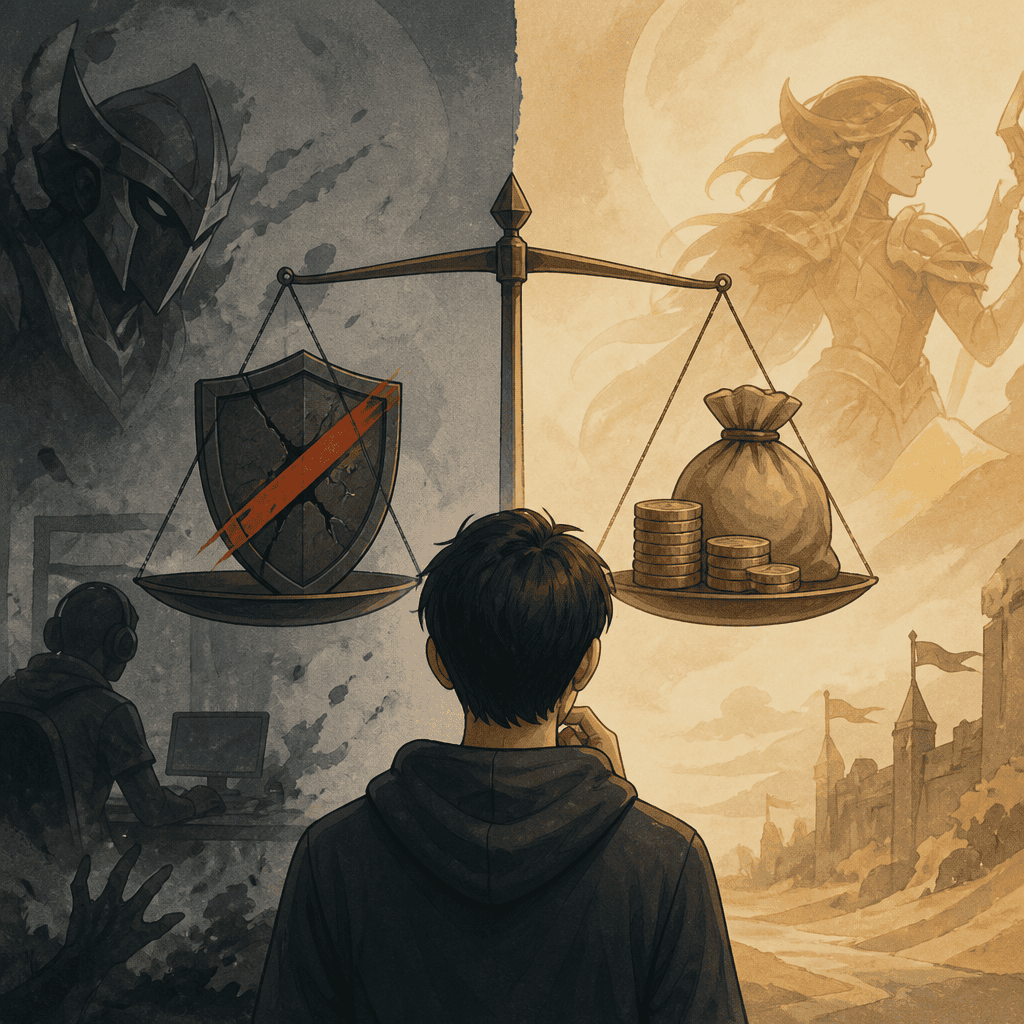
The primary driver for boosting, from my observation, is the intense desire for status and recognition that higher ranks afford. In a game like League of Legends, where rank is a quantifiable measure of skill and dedication, falling short can be a source of frustration. Players invest significant time, yet external factors like team composition, opponent skill, or even simple bad luck can impede their progress. This is where the allure of boosting services emerges – a promise of bypassing these frustrating roadblocks and attaining the desired rank, and by extension, the associated prestige.
Furthermore, the economic aspect cannot be overlooked. Boosting has evolved into a sophisticated industry, with skilled players offering their services for financial gain. This creates a supply and demand dynamic where those with the means and the desperation for rank are willing to pay, and those with the skill are willing to provide. Its a market driven by aspirations and perceived deficiencies, a cycle that perpetuates itself. The pressure isnt just individual; it often stems from a competitive environment where ones rank is a constant point of comparison with peers.
My personal experience, while brief, underscored the ethical quandaries. Playing on anothers account felt like a compromise of integrity, not just for myself but for the integrity of the games ranking system. The joy of earning a rank through genuine effort and improvement was replaced by a hollow sense of accomplishment, knowing it wasnt truly earned. This sentiment aligns with the broader concerns raised by esports analysts regarding the erosion of fair play and the devaluation of genuine skill. The disconnect between the account holders actual skill and their displayed rank creates an imbalance, potentially leading to unfair matches for other players who are diligently climbing the ranks.
This leads us to consider the broader implications for the games community and the competitive integrity of League of Legends. The prevalence of boosting services raises questions about the effectiveness of the current ranking system and whether it truly reflects player skill or merely their ability to pay for progress.
대주제2의 제목
The allure of climbing the ranks in League of Legends is undeniable. Many players, myself included, have at some point considered or even engaged in boosting services, whether for themselves or to help a friend. My own experiences with this practice have been a rich source of reflection, and today, I want to share those candid thoughts, drawing directly from my time spent on the other side of the screen.
It’s easy to get caught up in the thrill of victory, especially when youre the one delivering it. When a friend, struggling to break through a certain rank, asks for a favor, the initial feeling is often one of helpfulness, a desire to share in their triumph. And indeed, theres a certain satisfaction in executing a flawless game, in making those clutch plays that turn the tide, and in seeing the elation on the other end when a win is secured. The dopamine hit from a successful play, amplified by the knowledge that youve directly contributed to someone elses rank progression, is potent.
However, this feeling is fleeting and, in retrospect, often tinged with a peculiar kind of emptiness. The victories achieved through boosting, while technically wins on the scoreboard, lack the genuine sense of accomplishment that comes from earning them through ones own skill and effort. It’s akin to borrowing success rather than building it. The pressure to perform consistently, to maintain a high win rate, can also be immense. Every game becomes a performance, a test not just of skill but of maintaining the illusion of the account owner’s capabilities. This can lead to a detachment from the game itself, transforming a once enjoyable pastime into a job, albeit an unpaid one.
Furthermore, the ethical implications weigh heavily. While I was helping a friend, I was also essentially circumventing the games intended progression system. This raises questions about fairness to other players who are genuinely climbing the ladder through legitimate means. The experience also highlighted the vast disparities in skill levels that exist within the ranked system. Being able to dominate games at ranks significantly lower than ones actual skill level can be a jarring experience, revealing the imperfections and potential exploits within the ranking algorithm.
Beyond the personal and ethical quandaries, the prevalence of boosting services also speaks to a broader issue within competitive gaming: the intense pressure to achieve high ranks and the perceived shortcuts to get there. This demand fuels a market for such services, creating a cycle that can undermine the integrity of the ranked system for everyone involved. The ease with which these services can be accessed, often through online forums and dedicated platforms, makes them a tempting option for those feeling stuck or impatient.
As we delve deeper into the world of League of Legends boosting, it becomes clear that the experience is far more complex than simply winning games for someone else. It’s a journey that exposes the psychological drivers behind competitive gaming, the ethical gray areas, and the systemic issues that allow such practices to flourish. The next step is to examine the broader impact of these boosting services on the games ecosystem and the players who participate in it, both as boosters and as those who are boosted.
대주제2의 내용 개요
The allure of victory, even when earned vicariously, is undeniable. I recall vividly the time a friend, struggling to climb the ranked ladder in League of Legends, asked for my assistance. The request itself wasnt unusual; many in the gaming community have encountered or participated in such arrangements. Yet, each instance has invariably left me with a complex mix of emotions and thoughts, prompting a deeper reflection on the nature of these carry services and their impact on the game itself. This piece aims to delve into those experiences, dissecting the ephemeral joy of a hard-fought win and the lingering discomfort that often accompanies it, ultimately questioning the very essence of competitive gaming when external factors such as paid assistance become prevalent.
The initial climb was, as expected, relatively smooth. With my skills honed over years of dedicated play, securing victories felt almost routine. Each successful match, marked by a triumphant Victory screen, offered a fleeting sense of accomplishment. There was a certain satisfaction in seeing the rank increase, in fulfilling the promise made to a friend. It was a tangible result, a clear indicator of success. However, this feeling was always short-lived, quickly overshadowed by a subtle, yet persistent, sense of unease.
This unease stemmed from a fundamental disconnect. The victories were not truly mine, nor were they entirely my friends. They existed in a liminal space, an artificial construct built upon borrowed skill. The game, at its core, is a test of individual and team strategy, mechanical prowess, and decision-making under pressure. When one players contribution is significantly augmented by an external, paid service, the integrity of that test is compromised. The rankings, meant to reflect a players true standing within the competitive ecosystem, become distorted. Those who genuinely improve and earn their rank are placed alongside those who have essentially purchased their way up, creating an uneven playing field.
Furthermore, the experience of playing on behalf of someone else, even with their consent, felt inherently hollow. The communication often became strained, navigating the delicate balance between providing guidance and asserting control. There was a constant awareness of playing a role, of inhabiting someone elses account, which stripped away the genuine sense of investment and personal growth that comes from mastering a game through ones own efforts. The carry might achieve the desired rank, but the underlying skill gap remains, often leading to frustration and further reliance on external help.
This reliance on carry services, while understandable from a players perspective seeking to overcome a frustrating plateau, ultimately detracts from the broader gaming community. It devalues genuine effort, discourages personal improvement, and can foster an environment where shortcuts are prioritized over skill development. The joy derived from a hard-won victory is intrinsically linked to the struggle, the learning, and the personal growth that precedes it. When that struggle is circumvented through payment, the victory, however statistically impressive, loses its inherent meaning and satisfaction.
In conclusion, while the immediate gratification of a carried win might seem appealing, the long-term consequences for both the individual player and the integrity of the game are significant. The practice blurs the lines of fair competition, diminishes the value of personal achievement, and ultimately undermines the very spirit of what makes games like League of Legends engaging and rewarding. A truly satisfying climb is one earned through dedication, learning, and self-improvement, not through a transactional exchange of virtual victories.
대주제3의 제목
The prevalence of League of Legends boosting services is undeniable. Having personally engaged in such activities a few times at a frien https://kaynteam.com ds request, Ive consistently come away with a wealth of observations. Today, drawing from those experiences, I intend to share an honest perspective on the world of LoL boosting.
The core issue with LoL boosting services, as Ive witnessed firsthand, transcends mere gameplay. It delves into a complex web of ethical dilemmas and its detrimental impact on the overall game ecosystem. When a player outsources their account to another, ostensibly to achieve a higher rank, it fundamentally undermines the principles of fair competition that are supposed to define online gaming. The player who paid for the service doesnt truly earn their rank; they merely acquire it through proxy. This creates a distorted perception of skill and achievement, not only for the individual but for everyone else in that rank bracket.
From an expert analysis perspective, this practice introduces significant imbalances. Those who legitimately climb the ranks by honing their skills find themselves playing against individuals who may not possess the commensurate understanding of the game, leading to frustration and a diminished sense of accomplishment. The integrity of the ranking system erodes, as it no longer accurately reflects player capability. This can have a ripple effect, discouraging genuine effort and potentially leading to a decline in player retention among those who value fair play.
Furthermore, the economics of boosting services themselves raise concerns. While not directly participating in the boosting, my experiences have shown me the operational side, where individuals dedicate significant time and effort to playing on other peoples accounts. This raises questions about labor practices and the potential for exploitation within these underground economies. The financial transactions, often occurring through unofficial channels, also bypass standard consumer protections, leaving both the booster and the client vulnerable.
Considering the ethical implications and the observable damage to the games competitive environment, the conclusion is stark. LoL boosting services, despite their apparent convenience for some, represent a significant threat to the health and fairness of the game. They foster an environment where shortcuts are rewarded over dedication and skill, ultimately devaluing the achievements of the majority of players. Therefore, from both a personal experiential standpoint and a broader analytical view, its https://en.search.wordpress.com/?src=organic&q=https://kaynteam.com clear that these services are not a sustainable or ethical component of the gaming landscape.
대주제3의 내용 개요
The proliferation of League of Legends boosting services is a topic that resonates with many players, myself included. Having personally engaged in such services at a friends request on several occasions, Ive gathered a wealth of insights that Id like to share today, drawing directly from those experiences.
Beyond the anecdotal, the discussion of LoL boosting inevitably leads to a critical examination of its ethical dimensions. This practice fundamentally undermines the integrity of the games competitive environment. When players purchase wins or rank promotions, they bypass the natural progression of skill development. This not only stunts their own potential growth but also creates an unfair playing field for those who invest time and effort into genuine improvement. The illusion of skill created by boosting can lead to frustration and a skewed perception of player capabilities within the community.
Furthermore, the impact on the broader gaming ecosystem cannot be overstated. Boosting services contribute to an environment where shortcuts are valued over dedication. This can discourage new players who are trying to learn and improve, as they may feel overwhelmed by artificially inflated ranks. The trust within the player base erodes when the perceived skill levels are not reflective of actual ability. It fosters an atmosphere where genuine effort is devalued, and the focus shifts from the joy of playing and improving to the pursuit of external validation through purchased means.
From a professional standpoint, the systemic reliance on boosting services poses a significant challenge to the very essence of esports and competitive gaming. The foundation of fair play, meritocracy, and continuous self-improvement is compromised. This can lead to a decline in the overall quality of gameplay and a less engaging experience for all participants. The long-term health of any competitive game, and indeed the esports industry as a whole, hinges on upholding principles of fairness and authentic skill demonstration. Therefore, while the allure of quick progression may be tempting, the detrimental effects of boosting services on individual growth and community integrity necessitate a serious re-evaluation of their role and acceptance within the League of Legends landscape.
대주제4의 제목
The prevalence of League of Legends boosting services is undeniable. Ive personally dabbled in it a few times at a friends request, and each instance has left me with a considerable amount of reflection. Today, I aim to share an honest perspective on LoL boosting, drawing from those experiences.
Having been on both sides of the boosting coin – as someone who has facilitated it and as an observer of its effects – I can attest to the complex motivations and consequences involved. Initially, the allure of quick rank progression or overcoming frustrating plateaus is strong. For the player seeking a boost, it promises immediate gratification and a taste of a higher echelon they might struggle to reach independently. For the booster, it offers a financial incentive and, perhaps, a sense of mastery over the game.
However, my experiences consistently revealed a stark disconnect between the boosted rank and the players actual skill. The immediate jump in rank often leads to a volatile in-game experience for teammates. Players who havent genuinely developed the necessary game sense, mechanical proficiency, or strategic understanding for their new rank can become a significant liability. This not only frustrates their teammates but also hinders their own learning process. The very purpose of climbing the ranked ladder, which is to improve and be challenged by equally skilled opponents, is undermined.
Furthermore, the ethical implications cannot be ignored. Boosting services often operate in a gray area, sometimes violating the games terms of service. This can lead to account suspensions for both the client and the booster, creating a lose-lose situation. Beyond the immediate consequences, theres a broader impact on the games ecosystem. A ranked environment where skill is artificially inflated can erode the competitive spirit and the sense of accomplishment derived from genuine effort and improvement. It creates an uneven playing field and can discourage players who are investing time and dedication into improving their own gameplay.
Reflecting on these experiences, it becomes clear that while boosting might offer a superficial solution, it ultimately fails to address the root cause of a players struggles: the need for skill development. True progression in any competitive endeavor, including League of Legends, comes from consistent practice, learning from mistakes, understanding game mechanics, and developing strategic thinking. Relying on external help bypasses this crucial developmental phase.
Therefore, the conversation must shift from the act of boosting itself to fostering an environment where players are empowered to improve organically. This involves promoting resources for learning, encouraging positive and constructive communication within the community, and emphasizing the value of the journey of skill acquisition rather than just the destination of a high rank. The ultimate goal for any player should be to achieve a rank that genuinely reflects their capabilities, earned through their own dedication and effort, thereby contributing to a healthier and more rewarding gaming experience for everyone.
대주제4의 내용 개요
The prevalence of boosting services in League of Legends is undeniable. Having personally engaged in this practice a few times at a friends request, Ive gathered considerable insights. Today, I intend to share a candid perspective on League of Legends boosting, drawing from those experiences.
The allure of boosting services, while understandable for those seeking to climb the ranked ladder quickly, often masks a series of detrimental effects on both the individual and the games ecosystem. My initial forays into this were born from a desire to help a friend overcome a frustrating plateau. However, the experience quickly revealed the inherent unfairness and the erosion of genuine skill development. When one party plays on anothers account, the fundamental aspect of learning and improvement through personal effort is bypassed. This not only stunts the account owners growth but also creates an imbalanced playing field for everyone else in their matches, who are unknowingly competing against a player whose skill level doesnt align with their current rank.
Furthermore, the practice often fosters a dependency that hinders long-term progress. Players who rely on boosting may find themselves unable to perform at their boosted rank once the service ends, leading to further frustration and a cycle of seeking more assistance. This undermines the very purpose of ranked play, which is to provide a meaningful measure of skill and a pathway for genuine improvement.
Looking ahead, the path to a healthier gaming environment requires a multi-faceted approach. Firstly, there needs to be a clearer understanding and acknowledgment of the risks associated with boosting, both from a platform perspective through stricter enforcement and from a player community perspective through education and discouragement. Riot Games has made efforts to combat this, but the demand persists, indicating a need for continued vigilance and possibly innovative solutions within the games systems to identify and penalize such activities more effectively.
For players themselves, the focus must shift from a quick fix to a sustainable growth strategy. This involves embracing the learning curve, analyzing personal gameplay through replays, seeking constructive feedback from more skilled players or coaches, and actively participating in practice routines that target specific areas of weakness. Rather than outsourcing improvement, investing time and effort into self-development yields far more rewarding and lasting results. Engaging with the community in a positive manner, sharing strategies, and learning from others can also be invaluable.
Ultimately, fostering a truly enjoyable and competitive League of Legends experience hinges on a collective commitment to fair play and genuine skill development. By eschewing shortcuts like boosting and dedicating ourselves to personal growth, we can contribute to a more robust and satisfying gaming culture for everyone involved. The satisfaction derived from achieving rank through ones own hard work and improvement is immeasurably greater than any temporary boost can offer. This shift in mindset, from seeking external validation to cultivating internal mastery, is crucial for the long-term health of the game and its player base.
롤 대리의 현실, 무엇이 문제인가
The world of League of Legends account boosting, often presented as a shortcut to higher ranks, is fraught with significant issues that undermine the integrity of the game and its community. While the allure of climbing the competitive ladder without the grind is strong, the reality on the ground reveals a market rife with unethical practices and even illegal activities. This deep dive into the current state of LoL boosting exposes how these problematic elements not only distort the competitive landscape but also cast a long shadow over the broader gaming ecosystem. We will explore specific instances that highlight these concerns, offering an objective analysis from an expert perspective grounded in the realities of this underground economy.
The core of the problem lies in the methods employed by many boosting services. Instead of genuine skill development, these services often resort to account sharing, which violates the terms of service for most online games, including League of Legends. This practice creates significant security risks for the players whose accounts are compromised, ranging from stolen in-game assets to the potential for permanent account bans. Furthermore, the demand for boosting fuels a black market where payment can sometimes be linked to illicit activities, creating a dangerous nexus between gaming and more serious criminal enterprises. The psychological impact on legitimate players is also considerable; seeing unearned rank progression can foster feelings of unfairness and demotivation, eroding the sense of accomplishment that competitive play should provide. This environment is not conducive to a healthy gaming community, and its continued existence demands closer scrutiny and intervention.
안전하고 합법적인 롤 대리, 가능한가
The landscape of League of Legends (LoL) boosting services is often painted with a broad, and sometimes dubious, brush. However, delving deeper into the field reveals a nuanced reality, one where the question of safe and legal LoL boosting, is it possible? moves from a hypothetical to a practical inquiry. My experiences have shown that while the industry is rife with challenges, a segment of operators is striving to carve out a legitimate and trustworthy niche.
The core issue that often leads to the perception of illegality stems from the direct violation of game developers terms of service. Many boosting services, by their very nature, involve account sharing or the use of third-party programs, actions explicitly forbidden by Riot Games. This is the bedrock of the illegal label. However, looking beyond direct account access, other models exist. For instance, some services focus on coaching or duo-boosting where a professional player queues with the client. While still a grey area concerning competitive integrity, these methods generally sidestep the direct violation of account sharing policies. The key here is transparency and adherence to the spirit, if not always the letter, of the games rules.
When players seek out these services, the criteria for choosing a provider become paramount. My fieldwork suggests that reputable services prioritize several factors. Firstly, clear communication regarding the methods used is crucial. Do they offer account sharing, or are they focusing on duo-boosting and coaching? Secondly, a strong emphasis on security protocols, such as VPN usage, hardware spoofing (where applicable and ethical), and robust customer support, indicates a professional operation. Furthermore, verifiable testimonials and a history of consistent service delivery, even if anecdotal, build trust. The safe and legal aspect, in this context, translates to minimizing risks for the client – preventing account bans, protecting personal information, and ensuring a satisfactory outcome without resorting to outright exploitative practices.
The value proposition of these more legitimate boosting services lies not just in rank progression, but in the educational aspect and the assurance of a secure transaction. For players who are time-constrained or facing a frustrating plateau, a well-executed boosting service can provide a much-needed respite and even serve as a learning opportunity. The value is in the time saved, the frustration alleviated, and the potential for improvement through observation or direct coaching, all within a framework that attempts to mitigate the inherent risks. Its about offering a service that respects the players investment, both financially and in terms of their accounts integrity.
Understanding these distinctions is vital for anyone considering such services. The line between a risky, illegitimate operation and a more professionally managed, albeit still technically frowned upon by developers, service is often defined by the providers commitment to transparency, player security, and ethical practices within the existing constraints. This leads us to consider the broader implications and the future trajectory of such services within the evolving esports ecosystem.
롤 대리를 통한 실력 향상, 어떻게 접근해야 하는가
The world of LoL boosting: Opening new possibilities
The debate surrounding League of Legends (LoL) boosting services often centers on the ethical implications of purchasing wins. However, a closer examination from the perspective of an experienced player reveals a nuanced reality: boos 롤 대리 ting, when approached with a specific mindset, can indeed serve as a catalyst for personal skill improvement. This isnt about passively receiving victories, but actively leveraging the service as a learning tool.
How can one approach LoL boosting to foster genuine skill enhancement, rather than simply acquiring a higher rank? The key lies in shifting the paradigm from buying a win to buying an opportunity to learn. When a player opts for a boosting service, the underlying intention should be to gain access to higher-level gameplay and observe how skilled players navigate complex in-game scenarios. The booster, in this context, becomes an impromptu coach, demonstrating optimal decision-making, efficient resource management, and effective champion mechanics.
The crucial element for the player utilizing the service is active observation and critical analysis. Instead of simply logging off once the desired rank is achieved, the player should meticulously review the replays of the games played by the booster. This involves dissecting the boosters every move: why did they choose that particular item build? What was their reasoning behind that aggressive play? How did they manage vision control in critical moments? By asking these questions and seeking answers through replay analysis, the player begins to internalize advanced strategies and techniques.
Furthermore, the mere exposure to higher-tier gameplay can fundamentally alter a players understanding of the games tempo and strategic depth. Observing how top-tier players coordinate ganks, manage waves, and execute team fights provides invaluable insights that are difficult to glean from playing solely within ones own skill bracket. This exposure can recalibrate a players expectations and highlight areas where their own gameplay falls short, thus providing a clear roadmap for self-improvement.
The positive learning effects are multifaceted. Firstly, it accelerates the learning curve. Instead of spending hundreds of games trying to figure out optimal strategies, a player can gain exposure to them almost instantaneously. Secondly, it can help break through skill plateaus. Players often get stuck in a certain rank due to ingrained bad habits or a lack of understanding of higher-level concepts. Seeing these concepts in action can be a powerful eye-opener. Finally, it can foster a more analytical approach to the game. By actively dissecting boosted games, players learn to think critically about their own performance and identify areas for improvement beyond just mechanical skill.
However, the success of this approach hinges entirely on the players attitude and commitment to learning. Without a genuine desire to understand why certain plays were made, the boosting service remains merely a shortcut to a higher rank, with no lasting benefit. It is this active engagement, this self-driven curiosity, that transforms a potentially passive transaction into a dynamic learning experience.
Moving forward, it is essential to explore the specific methodologies and best practices for players who wish to actively learn from boosting services. What are the most effective ways to analyze replays? How can one identify the most impactful lessons from a boosters gameplay? And what are the pitfalls to avoid to ensure that the learning process remains genuine and sustainable?
롤 대리 시장의 미래와 새로운 가능성
The world of LoL boosting: Opening new possibilities
The future of the LoL boosting market is a dynamic landscape, ripe with both challenges and transformative opportunities. Building upon our previous discussions, its clear that this sector is not static but rather a fluid ecosystem constantly reshaped by technological advancements, evolving legal frameworks, and a shifting player consciousness.
One of the most significant drivers of change will undoubtedly be technological integration. Imagine AI-powered coaching systems that can analyze player performance with unparalleled precision, offering personalized feedback and strategies. This could transcend the traditional model of human boosters, moving towards a more data-driven, educational approach. Such technology could not only enhance player skill but also legitimize the concept of performance enhancement in a way that benefits the player directly, rather than solely focusing on account progression. We might see the emergence of platforms that leverage machine learning to match players with the most suitable AI tutors or even assist in identifying genuine skill gaps that can be addressed through targeted practice.
The legal and regulatory environment also presents a critical juncture. As esports continues its meteoric rise, the lines between legitimate coaching, performance enhancement, and unfair advantage will become increasingly blurred. Governing bodies and game developers will need to establish clearer guidelines. This could lead to a more formalized and regulated boosting market, perhaps akin to professional tutoring services. Instead of outright bans, we might see a framework where certain forms of assistance are permitted, provided they adhere to ethical standards and do not compromise the integrity of the game’s competitive ladder. This would necessitate robust verification processes and a clear distinction between acceptable and unacceptable practices.
Furthermore, player perception is undergoing a subtle but crucial evolution. As more individuals engage with esports at various levels, the desire for self-improvement and the willingness to invest in it are growing. While the stigma associated with boosting persists, the understanding of coaching and skill development services is gaining traction. Future LoL boosting services could rebrand themselves, focusing on their educational value. Think of personalized training regimens, VOD reviews by experienced analysts, and tailored practice drills. This shift in narrative, from simply leveling up an account to actively improving a players capabilities, could be a game-changer.
New business models are also on the horizon. Beyond simple win-rate boosting, we could see specialized services emerge. For instance, meta-analysis and strategy consulting for aspiring professional teams, or account recovery and security services for players who have fallen victim to scams. The potential for innovation lies in identifying niche needs within the vast LoL player base and developing targeted solutions. Perhaps a subscription-based model offering continuous performance analysis and personalized advice, or even a decentralized platform where verified coaches can offer their services with transparent pricing and reviews, secured through blockchain technology.
In conclusion, the future of the LoL boosting market is not one of simple continuation but of profound transformation. By embracing technological innovation, adapting to regulatory changes, and reframing services through an educational lens, the LoL boosting landscape can evolve into a legitimate and valuable component of the broader esports ecosystem. The path forward requires foresight, ethical considerations, and a willingness to innovate, ultimately opening new avenues for growth and player development that were once unimaginable.